 TP官方网址下载_tp官网下载/官方版/最新版/苹果版-tp官方下载安卓最新版本2024
In the rapidly evolving digital landscape, the concept of transaction fees often manifests in forms that are as diverse as the technologies and services they support. Among these, the TP wallet stands out, not only facilitating transactions but also representing a microcosm of the broader developments in global smart payment services. The need for efficient gas fees in cryptocurrency transactions has grown exponentially, driven by the convergence of high-performance digital technology and the pressing demand for privacy protection in financial transactions. According to a report by Chainalysis, the global adoption of cryptocurrencies surged by over 880% in 2021, highlighting the urgency for scalable payment solutions that can accommodate diverse user needs (Chainalysis, 2021). Navigating the complexities of this ecosystem requires a comprehensive understanding of the technological and regulatory frameworks that underlie transaction processing, particularly regarding gas fees.
Gas fees, essentially the transaction costs associated with blockchain operations, play a pivotal role in determining the viability and efficiency of digital transactions. As observed in Ethereum's dynamic fee market, these costs can fluctuate dramatically based on network congestion and the urgency of transactions (Ethereum.org, 2022). This volatility poses challenges for users and service providers alike, particularly in emerging markets where the demand for low-cost, reliable payment solutions is on the rise. A recent survey by PwC indicated that 65% of businesses are exploring digital assets as an alternative payment option, underscoring the necessity for innovative solutions to manage transaction costs effectively (PwC, 2022).
The integration of advanced technologies, such as artificial intelligence and blockchain innovations, has the potential to redefine how gas fees are computed and applied. For example, algorithms capable of predicting network load, alongside user-specific transaction patterns, could optimize cost-efficiency for both individual and institutional users. Additionally, as privacy concerns mount, particularly in light of recent data breaches, the demand for decentralized payment solutions that prioritize user anonymity is surging. This trend is reflected in the rising adoption of privacy coins, which aim to provide secure transactions without compromising user data (CoinDesk, 2023).
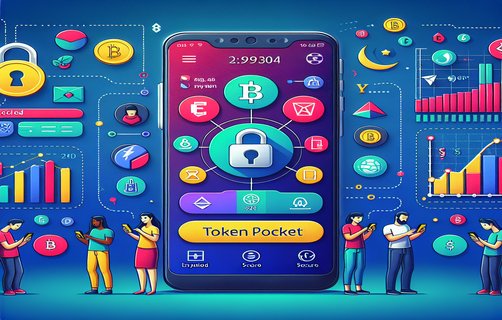
A comprehensive industry analysis reveals that, as global payment technologies continue to evolve, the interplay between user experience, regulatory compliance, and technological advancement will shape the future of transaction processing. Financial institutions and fintech companies must adapt to these shifts, leveraging emerging technologies to enhance user engagement while ensuring robust security measures are in place. The formidable challenge remains in balancing the cost-effectiveness of gas fees with the foundational tenets of privacy and transaction speed, all while remaining aligned with the evolving technological landscape.

As we look ahead, the stakes are high for stakeholders engaged in the digital payment revolution. How will businesses adapt to these emerging challenges? What strategies will facilitate the integration of innovative technologies while managing costs? As we navigate this intricate tapestry of influences, it is essential to remain vigilant and responsive to the evolving dynamics of global payments.
Interactive Questions: What innovations in digital payment technology do you believe will have the most significant impact on reducing gas fees? How can companies ensure user privacy while optimizing transaction costs? In what ways do you perceive the future of gas fees affecting the adoption of cryptocurrency in everyday transactions?
FAQs: 1. What factors influence the fluctuation of gas fees in cryptocurrency transactions? 2. How can users minimize their transaction costs when using TP wallets? 3. What emerging technologies are currently shaping the landscape of global payment services?